Ghana Historical and Cultural Journey

Tracing History. Rediscovering Heritage. Connecting Generations.

Journey through Accra, Keta and Cape Coast to explore Ghana's historical landmarks, discover the stories of the transatlantic slave trade, and understand the enduring connections between Africa and its diaspora.

Opportunities depend on host-site arrangements and current availability. All placement details must be confirmed directly with AOH before making any plans.

About This Journey

About This Journey

This itinerary introduces participants to three destinations in Ghana: Accra, Keta, and Cape Coast. Each location offers a distinct perspective on Ghana's history, from colonial-era urban centers to coastal fortifications and community life along the Volta estuary.

The journey's educational purpose is to explore historical memory, African heritage, and the connections between Ghana and the African diaspora. Participants will encounter places associated with the transatlantic slave trade, colonial administration, independence, and contemporary cultural expression.

This itinerary description outlines potential learning experiences. Current availability, site access, and program details must be confirmed with AOH before any plans are made.

Accra

Accra — History, Identity and Pan-Africanism

Accra, Ghana's capital, is a city where colonial history, independence-era politics, and contemporary African identity intersect. The sites below offer entry points into understanding Ghana's political history and its relationship to the African diaspora.

Kwame Nkrumah Memorial Park in Accra (placeholder image - to be replaced)

Kwame Nkrumah Memorial Park

Kwame Nkrumah Memorial Park commemorates Dr. Kwame Nkrumah, Ghana's first president and a leading figure in the Pan-African movement. The site includes Nkrumah's mausoleum and a museum documenting Ghana's path to independence in 1957.

Participants can explore how Ghana's independence shaped Pan-African thought and influenced liberation movements across the continent. The site invites reflection on the relationship between political sovereignty and historical memory.

W.E.B. Du Bois Centre in Accra (placeholder image - to be replaced)

W.E.B. Du Bois Centre

The W.E.B. Du Bois Centre honors the African American scholar, writer, and activist who spent his final years in Ghana. The centre includes Du Bois's former residence, his library, and his mausoleum.

Du Bois's life and work illustrate the intellectual connections between African Americans and continental Africa. The centre offers context for understanding Pan-Africanism as an intellectual and political tradition bridging the diaspora and the continent.

Jamestown district in Accra (placeholder image - to be replaced)

Jamestown

Jamestown is one of Accra's oldest districts, with a history dating to the colonial era. The area includes colonial-era architecture, fishing communities, and sites associated with early European presence on the coast.

Walking through Jamestown offers insight into Accra's layered history—from pre-colonial settlements through British colonial administration to contemporary urban life. The area illustrates how coastal communities have been shaped by trade, migration, and urban change.

Keta

Keta — Coastal Heritage and Historical Memory

Keta, located in Ghana's Volta Region along the Atlantic coast, has been shaped by its maritime environment and its role in West African coastal history. The town's relationship with the sea encompasses trade, environmental change, and community resilience.

Fort Prinzenstein in Keta (placeholder image - to be replaced)

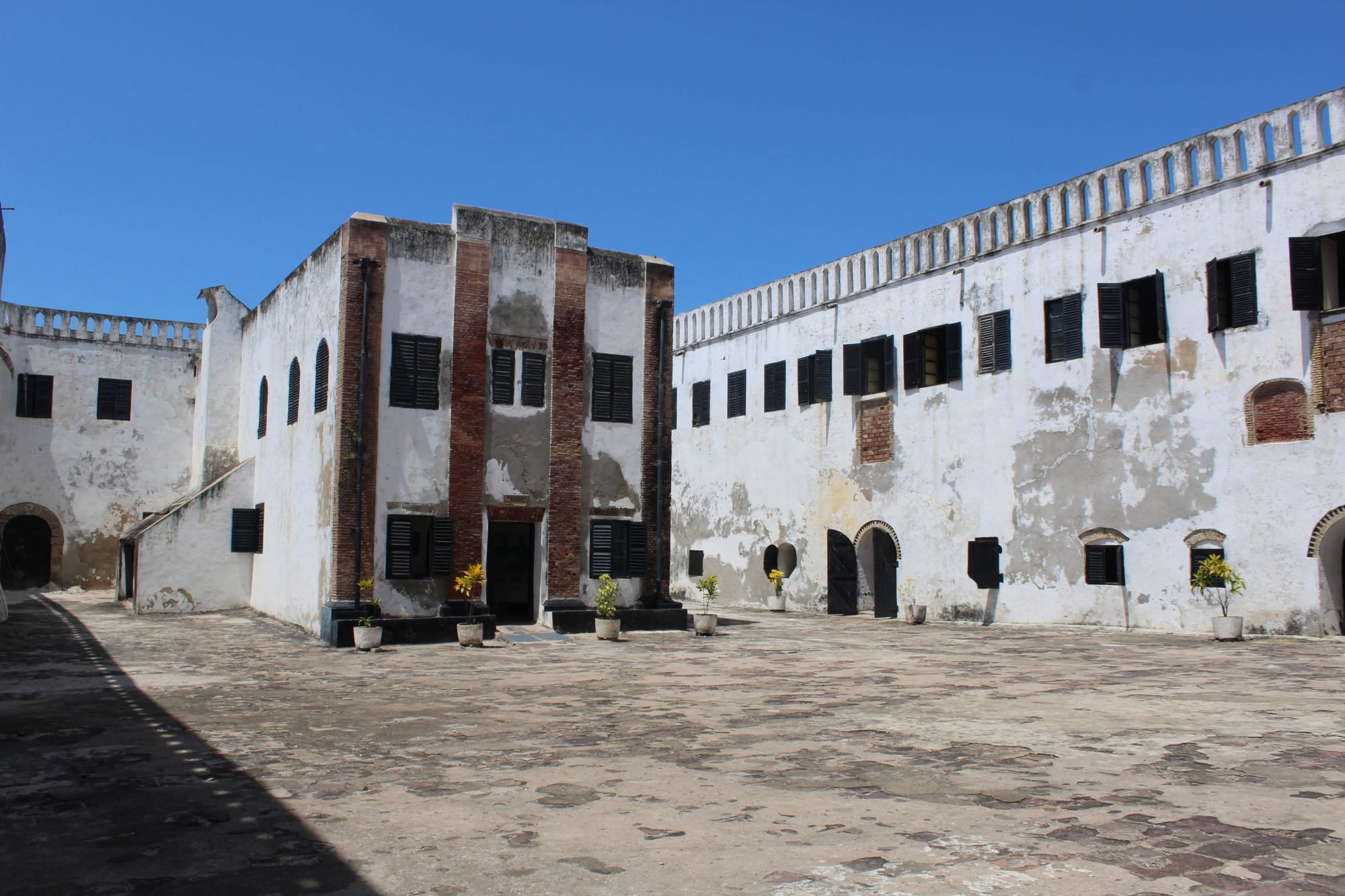
Fort Prinzenstein

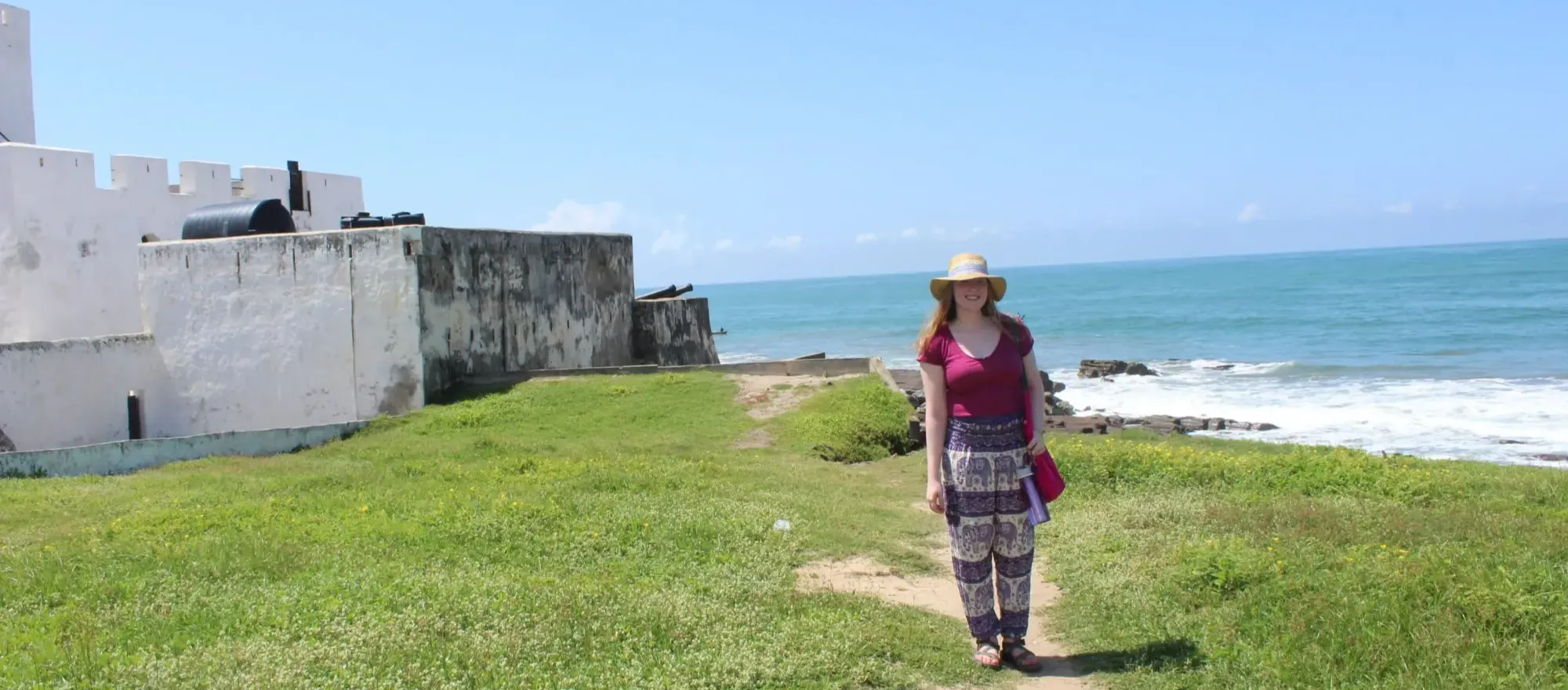
Fort Prinzenstein, built by Danish traders in the 18th century, is one of the coastal forts that dotted Ghana's shoreline during the era of the transatlantic slave trade. The fort served various functions over time, including as a trading post and later as a prison.

Fort Prinzenstein illustrates how European powers established physical presences along West Africa's coast to facilitate trade, including the trade in enslaved people. The fort's current state—partially eroded by the sea—also reflects ongoing environmental change affecting coastal communities.

AOH's past environmental activities in Keta, including tree planting, were broader environmental restoration efforts and were not designed as coastal erosion prevention or coastline protection interventions.

Keta coastal landscape and lagoon (placeholder image - to be replaced)

Keta's Coastal Landscape

Keta sits between the Atlantic Ocean and the Keta Lagoon, one of West Africa's largest lagoon systems. The town's history is intertwined with fishing, salt production, and coastal trade. Environmental change, including coastal erosion, has affected the town's physical landscape and the lives of its residents.

Keta offers an opportunity to consider how environmental change interacts with human history. Coastal communities have adapted to shifting shorelines over generations, and their experiences provide insight into the relationship between people and their environment.

Cape Coast

Cape Coast — Confronting the History of the Slave Trade

Cape Coast, located on Ghana's central coast, is home to some of the most significant sites associated with the transatlantic slave trade. The town's coastal forts were central to the capture, imprisonment, and forced transportation of millions of Africans across the centuries of the trade. Visiting these sites requires historical awareness, cultural sensitivity, and respect for the communities connected to these histories.

Cape Coast Castle (placeholder image - to be replaced)

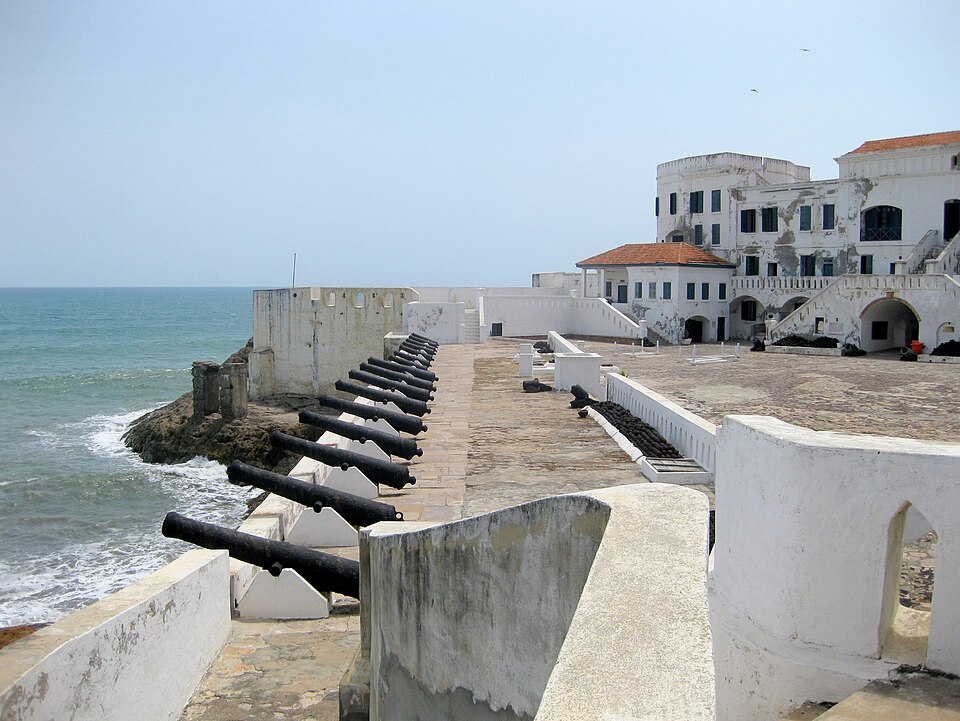
Cape Coast Castle

Cape Coast Castle is one of the largest and best-preserved European forts on the West African coast. Originally built by the Swedish in the 17th century and later controlled by the British, the castle served as a major hub of the transatlantic slave trade. Enslaved Africans were held in the castle's dungeons before being transported across the Atlantic.

Cape Coast Castle provides direct physical evidence of the transatlantic slave trade's scale and mechanics. The dungeons, the "Door of No Return," and the courtyards where enslaved people were held offer a direct connection to this history. Guided interpretation at the site helps participants understand the economic, political, and human dimensions of the trade.

Millions of Africans were affected by the transatlantic slave trade across West Africa and the broader Atlantic world. Cape Coast Castle was one of many sites where this history unfolded.

Elmina Castle (placeholder image - to be replaced)

Elmina Castle

Elmina Castle, located nearby, is the oldest European building in sub-Saharan Africa, originally constructed by the Portuguese in 1482. Like Cape Coast Castle, it became a central site in the transatlantic slave trade under later Dutch and British control. The castle's dungeons held thousands of enslaved Africans before their forced transport to the Americas.

Elmina Castle offers a longer historical timeline, spanning Portuguese, Dutch, and British colonial periods. The site illustrates how the slave trade evolved over centuries and how European competition for control of West African coastal trade shaped the region's history.

Millions of Africans were affected by the transatlantic slave trade across West Africa and the broader Atlantic world. Elmina Castle was one of many sites where this history unfolded.

Planning Your Learning Journey

Planning Your Learning Journey

The details of each opportunity must be discussed and confirmed with AOH and the relevant host facility. Opportunities depend on current local arrangements and are not guaranteed.

Program availability

Contact AOH to discuss whether this itinerary can be arranged for your preferred dates and group size.

Historical site access

Site access, visiting arrangements and group requirements must be confirmed with the relevant authorities before making any plans.

Educational objectives

Participants should share their academic background and learning goals so AOH can assess potential fit.

Duration and schedule

Timing depends on host availability and participant circumstances. No fixed duration is published.

Participant preparation

Participants may benefit from preparatory reading on the transatlantic slave trade, Ghanaian history, and Pan-Africanism. AOH can discuss recommended resources.

Supervision and activities

Supervision and the scope of permitted activities must be clarified with local hosts and guides before a placement begins.

Responsible Historical Engagement

Engaging with histories of enslavement requires sensitivity, historical awareness, and respect for the communities connected to these experiences.

AOH encourages meaningful engagement with the people, places and cultural contexts that preserve historical memory. The objective is not simply to visit historical sites, but to learn, reflect and better understand the past and its continuing connections to the present.

  • Respect the dignity of enslaved people and their descendants. The sites visited on this journey are associated with the capture, imprisonment and forced transportation of millions of Africans.
  • Listen to local perspectives. Local guides, historians, and community members hold knowledge about these sites that cannot be found in guidebooks.
  • Follow site rules and guidance. Each site has its own rules regarding behavior, photography, and movement within the premises.
  • Practice responsible photography. Photographing sites associated with the slave trade should be approached with care and respect for the dignity of those whose histories are represented.
  • Remain within your qualifications and authorization. Participants are observers and learners, not independent researchers or interpreters.

Begin Your Journey Through Ghana's History

Interested in an educational experience focused on Ghana's history, heritage, and connections to the African diaspora? Contact AOH to discuss your interests and explore what may be possible.